
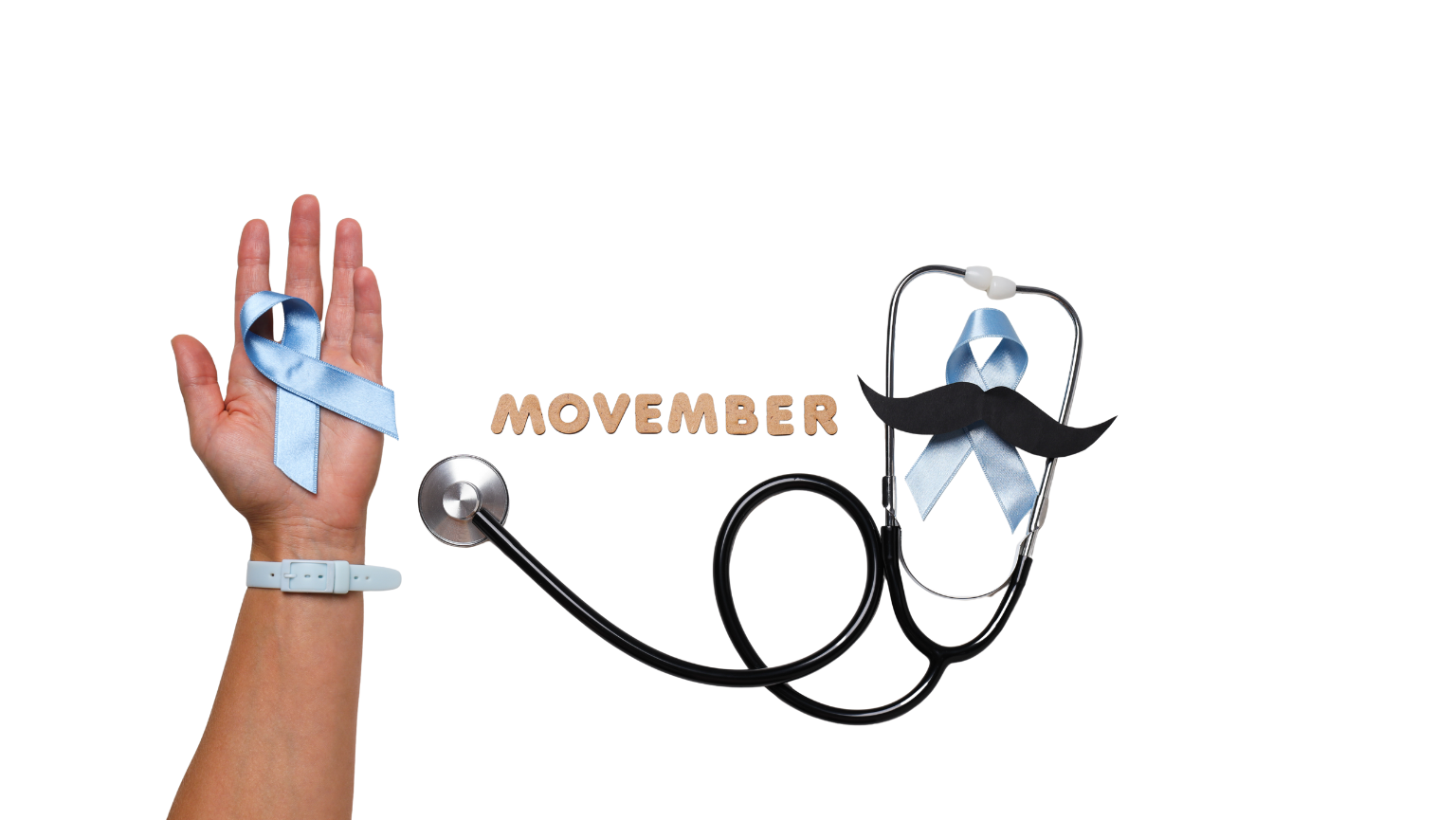
Each November, the global Movember movement shines a light on the health challenges that uniquely affect men — including prostate cancer, testicular cancer, heart disease, and mental health.
The name Movember combines “moustache” and “November,” a reminder that men’s health deserves attention all year long. What began as a grassroots campaign has become a global effort focused on prevention, early detection, and open conversation.
Here in Beaumont and the Golden Triangle, men form the backbone of the region’s workforce — from refineries and shipyards to construction and utilities. Movember is a chance to check in on your health and make sure you’re taking care of the body and mind that keep you going every day.
Men’s Health: More Than a Checkup
Many men put off doctor visits until something feels wrong. But regular checkups, screenings, and simple preventive steps can make all the difference. Whether you spend your days on your feet, behind the wheel, or out in the heat, protecting your health helps you stay strong and steady for the long haul.
Prostate Cancer: Catch It Early
Prostate cancer is the most common cancer among men, especially after age 50. Risk increases with age, family history, and race — with Black men facing a higher likelihood of diagnosis.
What you can do:
- Talk with your doctor about when to begin prostate cancer screenings.
- Learn about the PSA blood test, an important screening tool.
- Report any urinary changes, pain, or discomfort right away.
Caught early, prostate cancer is highly treatable — but it requires taking that first step to get checked.
Testicular Cancer: Know What’s Normal
Though less common, testicular cancer is the most frequently diagnosed cancer in men ages 15 to 35. It often starts as a painless lump or swelling.
Why awareness matters:
- Monthly self-checks help you notice changes early.
- Early treatment leads to survival rates above 95%.
- Don’t ignore any pain, lump, or heaviness — get it checked out.
Knowing your body and paying attention to changes is one of the simplest ways to protect your health.
Work Hours, Stress, and Safety
Many men in Southeast Texas work long, demanding hours — often in heat, around heavy equipment, or on rotating shifts. Those conditions can quietly affect your heart health, energy, sleep, and stress levels, increasing the risk of injury and burnout over time.
A few key reminders:
- Stay hydrated. Skipping water or meals during a shift can lead to fatigue and slower reaction times.
- Protect your back, joints, and hearing. Lifting, vibration, and loud environments add up — use proper gear and report pain early.
- Get adequate rest. Shift work can disrupt sleep, which affects focus, blood pressure, and overall health.
- Don’t ignore injuries. A strain or ache can worsen if you “push through it” too long.
Taking care of yourself off the clock helps you perform better — and stay safer — on the job.
Mental Health: It’s Okay to Talk About It
Stress, long hours, and physical exhaustion can take a toll that isn’t always visible. Across the country, men are less likely to talk about anxiety, depression, or burnout — but silence can be dangerous.
Small steps that make a difference:
- Talk to someone. A friend, coworker, or counselor can help lighten the load.
- Get moving. Exercise releases tension and improves mood.
- Rest. Sleep and downtime are vital for recovery — physically and mentally.
Taking care of your mental health helps you stay sharp and focused, both on and off the job.
Take Charge This Movember
This month, take time to:
- Schedule a checkup or screening
- Learn your family health history
- Check in with a friend or coworker who might be struggling
Small steps today can help prevent bigger problems tomorrow.
Care You Can Count On
Beaumont Emergency Hospital is proud to serve the men and families who keep Southeast Texas running. Our 24/7 emergency department offers short wait times, on-site lab and imaging services, and board-certified physicians who understand that your time matters.
Whether it’s a workplace injury, chest pain, or an unexpected illness, we’re here when you need care — day or night.
Because staying healthy isn’t just about avoiding illness. It’s about staying safe, steady, and ready for what’s next.
Local Men’s Health Resources:
Spindletop Behavioral Health Center
24-Hour Toll-Free Crisis Hotline: 1.800.937.8097